
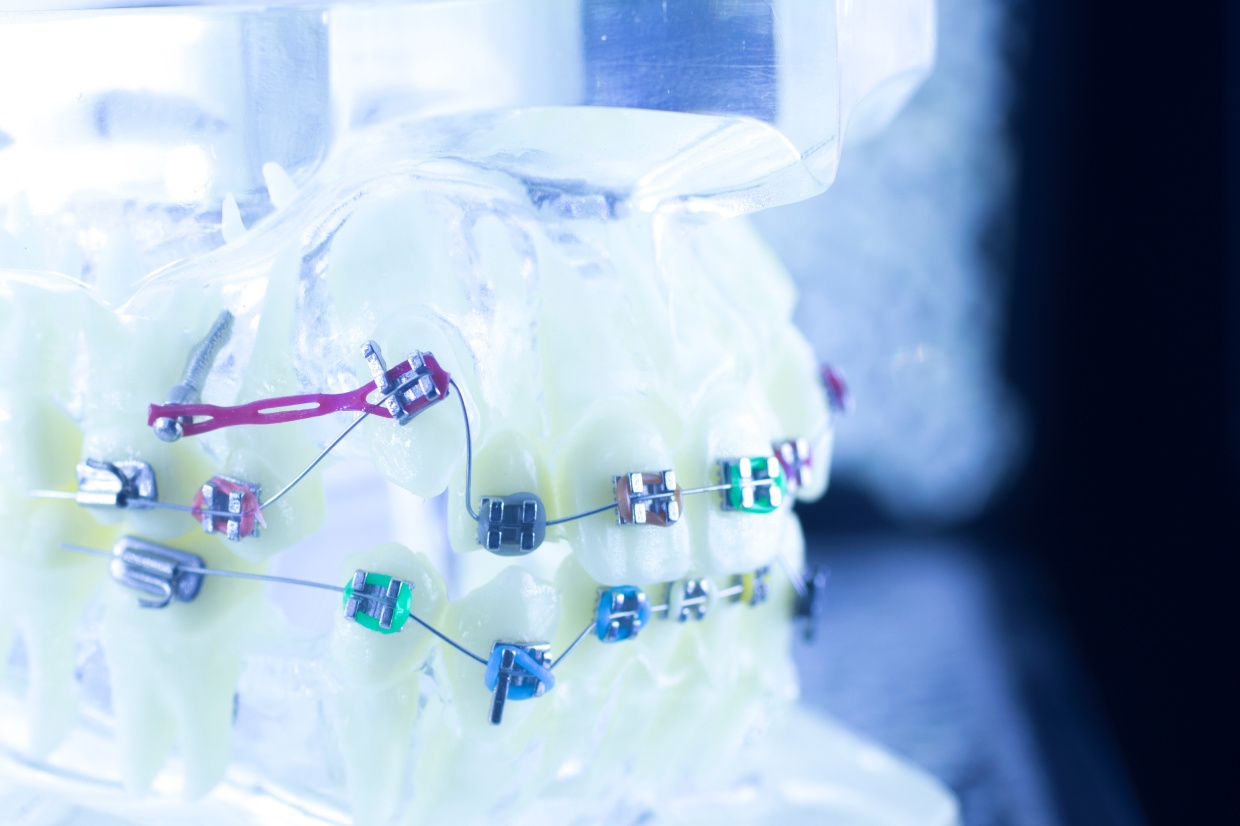
Whether you’re starting orthodontic treatment with braces or clear aligners, learning how to care for your appliances at home is key to achieving the best results. Good care helps prevent discomfort, protects your oral health, and keeps your treatment on schedule.
This guide walks through practical, day‑to‑day tips for maintaining braces or aligners — from cleaning and eating to handling common concerns.
Understanding the Basics: Braces vs. Aligners
Braces and aligners both move teeth toward ideal alignment, but they work differently and require different care routines:
- Braces — Fixed appliances attached to teeth with brackets and wires.
- Aligners — Removable, clear trays worn over the teeth (e.g., Invisalign).
Regardless of the system you’re using, consistent care helps you stay comfortable and prevents setbacks.
Daily Care for Braces
Caring for braces means keeping both the appliance and your teeth clean. Food particles and plaque can become trapped around brackets and wires, so your routine matters.
Brushing With Braces
- Brush after every meal — braces trap food easily.
- Use a soft‑bristled toothbrush and fluoride toothpaste.
- Brush around brackets and wires at a 45° angle.
- Pay careful attention to the gumline and chewing surfaces.
Electric toothbrushes with orthodontic heads can make cleaning easier and more effective.
Flossing With Braces
- Floss daily using a floss threader or orthodontic flosser.
- Slide the floss gently between teeth and under the wire.
- Rinse afterward to remove loosened debris.
Interdental brushes or water flossers are also helpful for reaching between brackets and around wires.
Extra Tools That Help
- Orthodontic wax — Applies over irritating wires or brackets to reduce soreness.
- Proxy brushes — Tiny brushes that clean between braces and teeth.
- Floss threaders — Make flossing under wires easier.
Daily Care for Clear Aligners
Aligners like Invisalign are removable, which means your teeth need both good cleaning and excellent aligner care.
Cleaning Your Aligners
- Rinse aligners every time you remove them.
- Brush them gently with a soft toothbrush — never with toothpaste (it can scratch the plastic).
- Use gentle, clear antibacterial soap or aligner cleaning crystals if provided.
- Soak aligners occasionally to remove buildup, following your provider’s recommendations.
Never use hot water — it can warp the aligners.
Cleaning Your Teeth Before Re‑inserting
- Brush and floss before putting aligners back in.
- Residual food particles can become trapped and increase decay risk.
- Maintain regular brushing and flossing twice daily — especially before bedtime.
Diet and Lifestyle Habits for Braces or Aligners
Certain foods and habits can prolong treatment or damage appliances. Here’s how to make smart daily choices:
Foods to Avoid With Braces
- Hard foods — nuts, popcorn, hard candy
- Sticky foods — gum, caramel, toffee
- Chewy or tough foods — bagels, steak
- Crunchy foods — chips, raw carrots (unless cut small)
These items can bend wires or loosen brackets.
Habits to Avoid With Aligners
- Drinking colored or sugary drinks while wearing aligners
- Smoking — can stain aligners and affect oral health
- Eating with aligners in place — food particles stick and foster decay
Remove aligners before eating or drinking anything except water, and always brush teeth before reinserting them.
Managing Discomfort and Adjustment Periods
Orthodontic treatment often causes mild discomfort, especially in the first few days after starting or changing aligners, or after braces adjustments. Here’s how to manage it:
- Rinse with warm salt water to ease soreness.
- Take over‑the‑counter pain relief as needed (per product guidelines).
- Use orthodontic wax to protect soft tissue from irritation.
- Eat soft foods (yogurt, smoothies, mashed potatoes) shortly after adjustments.
Discomfort should lessen within a few days as your mouth adjusts to the appliances.
Keeping Your Progress on Track
To ensure your treatment stays on schedule, it’s important to follow your orthodontist’s instructions:
- Wear elastics or accessories as directed.
- Keep all scheduled appointments for adjustments and progress checks.
- Report broken brackets, loose wires, or cracked aligners quickly.
Good communication with your orthodontic team helps prevent delays and keeps your smile moving toward its goal.
Planning for Daily Life With Your Appliances
Here’s how to integrate appliance care into your everyday routine:
- Keep a travel dental kit with you — toothbrush, floss, and wax
- Rinse after meals if brushing isn’t immediately possible
- Develop a consistent morning and evening hygiene routine
Over time, caring for your braces or aligners becomes second nature and helps protect your investment in a healthy, aligned smile.
Final Thoughts
Caring for your braces or aligners at home may feel like an adjustment at first, but keeping up with hygiene, diet, and routine care helps ensure a smoother, faster, and more comfortable orthodontic journey. With the right habits and attention to detail, you’ll be well on your way to the smile you’ve been working toward.
Want Personalized Tips for Your Treatment?
If you have specific questions about your braces or aligners or want personalized guidance on home care, the best next step is a professional evaluation. An orthodontist can tailor recommendations based on your treatment and needs.
Contact Behl Orthodontics in Virginia Beach, VA today to schedule your free consultation and get customized support for your smile care.