Early Treatment
Does Your Child Need Early Treatment?
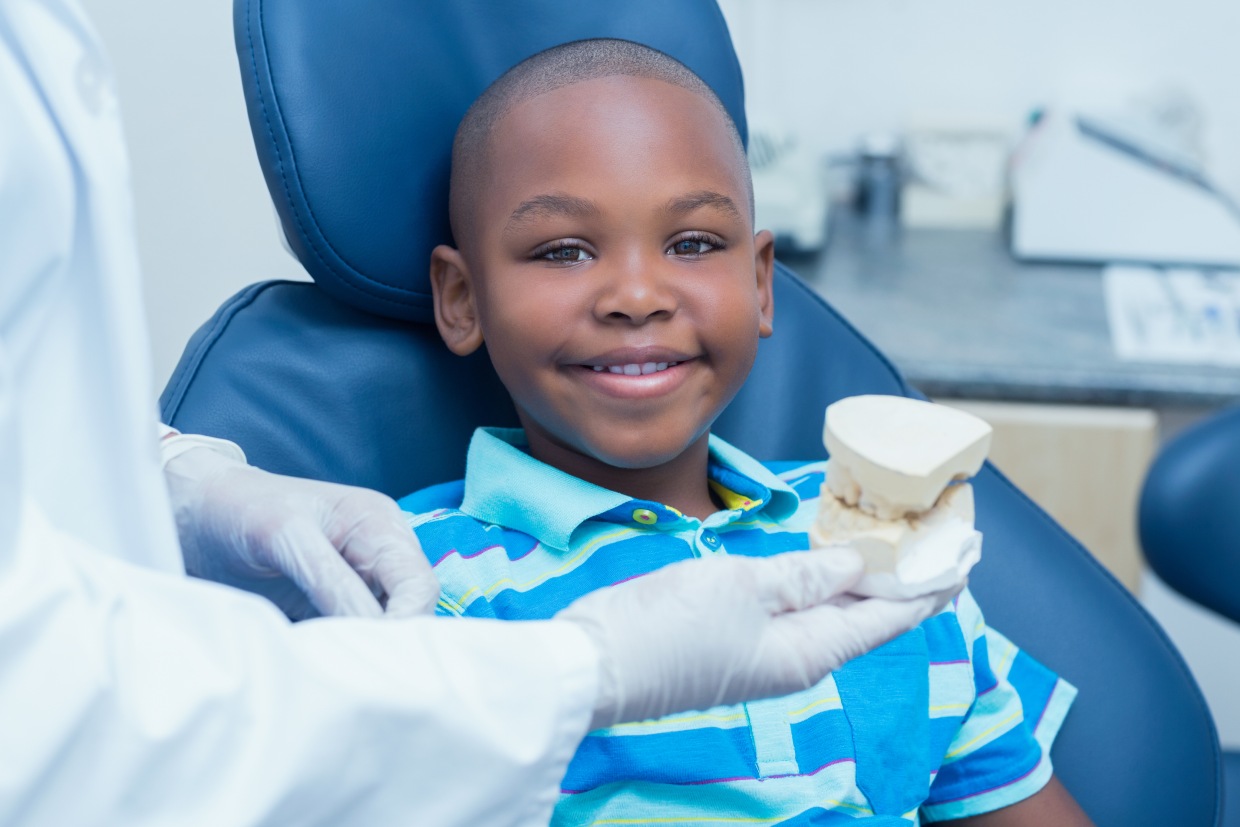
There are certain conditions that may qualify a child for early prevention orthodontics. These might include things like crossbites, crowded teeth, or narrow arches. If crowded teeth are fixed at an earlier age, they allow more room for adult teeth to come in and may, in turn, reduce the need for teeth pulling later in life.
When Should My Child See an Orthodontist?
Early prevention starts at age seven, which is when the American Association of Orthodontists recommends parents bring their children to an orthodontist. At this age, permanent teeth have begun to create a bite pattern and can be examined for irregularities. Starting treatment early may be more beneficial to the patient. An example of this is the treatment of narrow arches. With palate expanders, the arch can be widened so that the top and bottom teeth fit together more properly, and other issues can be addressed in the second phase of treatment.
What Are the Treatment Options?
Phase One treatment, early treatment between the ages of seven and nine, can also take advantage of bones that are still growing and better address problems before they develop fully.
Two-Phase treatment may include the use of expanders and other appliances, metal braces, or even Invisalign! Invisalign now has its first-ever product for kids, Invisalign First. With Invisalign First, you won’t have to worry about your kids breaking their metal brackets and wires. And there’s even an indicator on the aligners to let you know that your child is wearing their aligners correctly (or not!). Kids AND parents of Behl Orthodontics are loving this new option!
You might consider taking your child to an orthodontist for early prevention if:
- They have trouble breaking a thumb-sucking habit
- A speech impediment exists
- Your child’s jaw comes together in an abnormal way when they bite
- Your child’s teeth do not come together or do so in an irregular manner
- There is an issue with breathing
- Teeth protrude from the upper or lower jaw
- Your child has problems with chewing and biting
- Your child loses their baby teeth too early or too late (they should start losing teeth at age 5 and have their adult teeth by 13)
Two-Phase Treatment
Two-phase orthodontic treatment is used to address issues of facial bone structure as well as teeth alignment. By dividing the treatment into two different parts, it allows the orthodontist to correctly fix all problems that contribute to overall functionality of the mouth and teeth.
Phase One
Phase One treatment usually involves early prevention to address problems of the jaw and underlying bone while they are still developing. The American Association of Orthodontists recommends that your child see an orthodontist by the age of seven because this is when teeth bite patterns can be recognized. Early treatment allows for bone discrepancies to be addressed and jaw problems to be treated so that the jaw can fit together properly. Issues such as crowded teeth can also be corrected so that adult teeth can be accommodated.
Rest Period
Between phases one and two, the patient takes time to rest and allows their teeth to finish coming in. The position that the teeth erupt in will not be their permanent placement, as your orthodontist will make further changes during the second phase. However, the resting period gives your mouth time to finish developing teeth so that they can be properly aligned.
In the ideal situation, you may not need further treatment after Phase One. However, if you do, the first phase will allow for the second to be less involved and detailed. If your arches were expanded during part one to allow for adult teeth to erupt, then you no longer need teeth removed in the second phase.
Phase Two
The second phase of Two-Phase Treatment is used to tweak and correct any problems that may not have been addressed or fixed by the first phase of orthodontic therapy. It usually occurs after all permanent teeth have developed and acquired a place within the mouth. Braces are usually administered during this time to give each tooth a proper location and ensure they function in an optimal manner.
Braces can be worn for varying amounts of time, but are usually kept on for 24 months. Once they are removed, a retainer is molded and worn to keep each tooth where it’s supposed to be!
Teeth Whitening
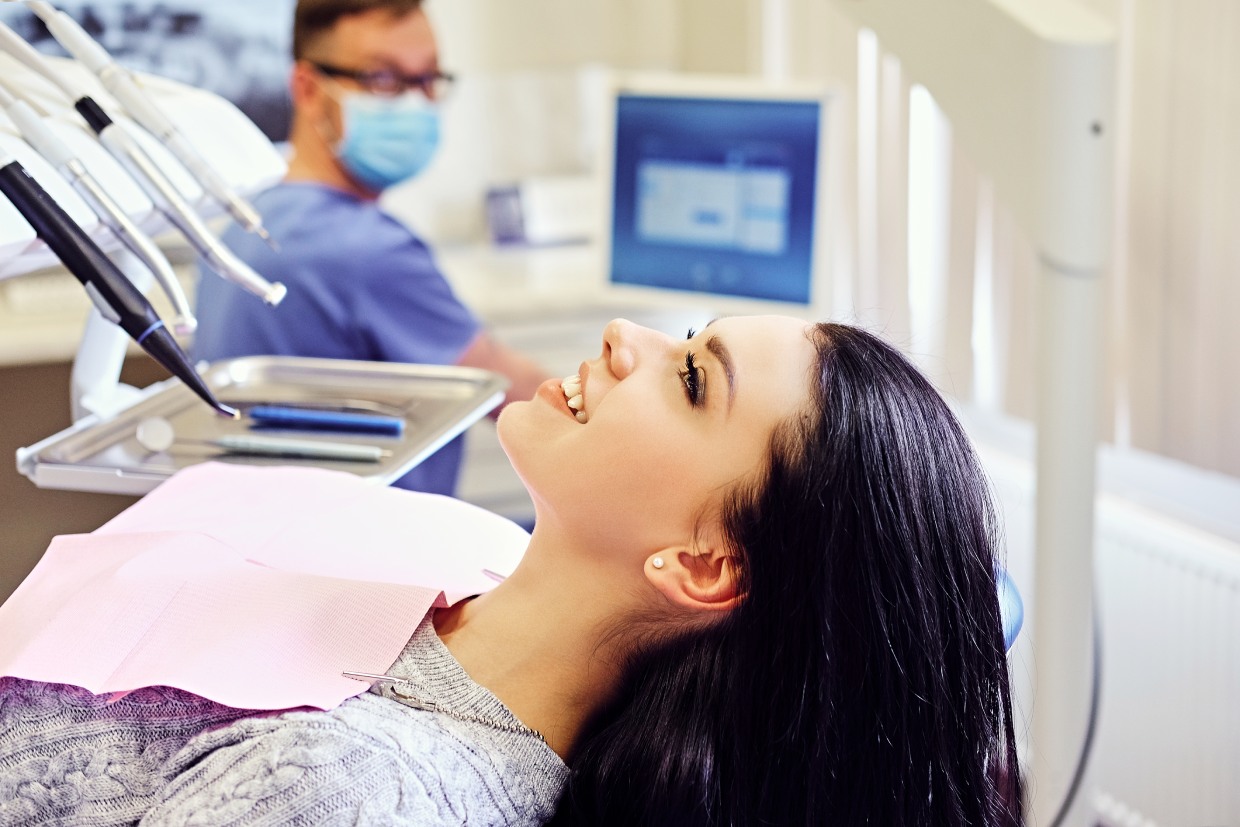
A brighter, whiter smile is a great way to enhance your overall appearance—especially after completing orthodontic treatment. At Behl Orthodontics, we offer professional teeth whitening options designed to safely and effectively lift stains and refresh your smile.
Our whitening treatments use professional-strength whitening gel combined with advanced techniques to deliver noticeable results faster than over-the-counter products. Patients can choose from convenient in-office whitening for dramatic results in a single visit or take-home whitening options for gradual brightening and easy maintenance.
Professional whitening is an excellent choice for patients who have recently finished braces or Invisalign treatment. It can help reduce discoloration caused by brackets, aligners, coffee, tea, and everyday habits—while remaining gentle on teeth that may be more sensitive after orthodontic care.
Whether you’re putting the finishing touch on your orthodontic treatment or simply looking to boost your confidence, teeth whitening at Behl Orthodontics offers a safe, comfortable way to achieve a brighter, more radiant smile.
Surgical Orthodontics
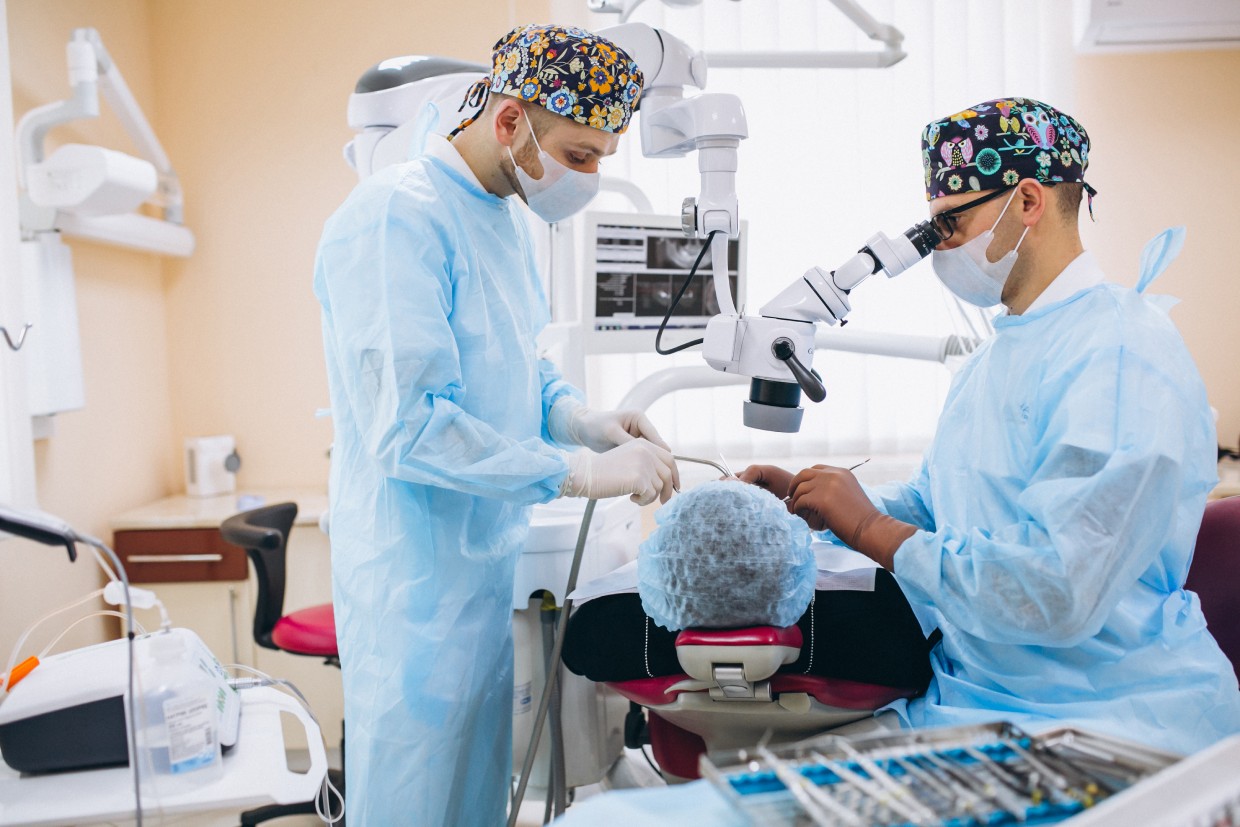
In some cases, orthodontic treatment alone isn’t enough to fully correct bite issues or jaw alignment. When jaw position affects function, comfort, or facial balance, surgical orthodontics—also known as orthognathic surgery—may be recommended as part of a comprehensive treatment plan.
At Behl Orthodontics, we work closely with trusted oral and maxillofacial surgeons to coordinate advanced care for patients who need surgical orthodontic treatment. This collaborative approach allows us to carefully plan each phase of treatment and ensure your care is seamless from start to finish.
Surgical orthodontics is typically considered for patients with more significant jaw discrepancies that cannot be corrected with braces or Invisalign alone. These concerns may include:
- Severe overbites or underbites
- Open bites where the front teeth do not meet
- Facial asymmetry related to jaw position
- Difficulty chewing, speaking, or breathing due to jaw alignment
Treatment usually begins with orthodontic preparation, using braces or aligners to properly position the teeth within each jaw. Surgery is then performed to reposition the upper jaw, lower jaw, or both—creating proper alignment, improved function, and better facial balance. After healing, final orthodontic adjustments are made to fine-tune your smile and bite.
Our team is committed to guiding you through every step of the process. From diagnosis and detailed treatment planning to post-surgical orthodontic care, Behl Orthodontics ensures you feel informed, supported, and confident throughout your journey—delivering results that improve both your smile and overall quality of life.
Orthodontic Emergencies
Orthodontic emergencies can be stressful, but most situations are manageable and rarely require urgent care. At Behl Orthodontics, our goal is to help you feel informed and prepared if an issue arises during your orthodontic treatment. Knowing what to do—and when to contact our office—can help protect your smile and keep your treatment on track.
What Qualifies as an Orthodontic Emergency?
An orthodontic emergency typically involves a problem with braces, aligners, or other appliances that causes significant discomfort, irritation, or interferes with treatment progress. These situations are different from medical emergencies. If you experience severe trauma, uncontrolled bleeding, or a serious injury to the face or jaw, seek immediate medical care or visit the nearest emergency room.
Common Orthodontic Emergencies and How to Manage Them
Loose or Broken Brackets
Brackets can occasionally loosen due to hard or sticky foods or accidental impact. If the bracket is still attached to the wire and not causing discomfort, it may be safe to wait until your next appointment. If irritation occurs, apply orthodontic wax to protect the area and contact our office for guidance.
Poking, Bent, or Broken Wires
As teeth shift, wires can move and begin to poke the cheeks, lips, or gums. You can often relieve discomfort by gently pushing the wire into a more comfortable position using a clean cotton swab or the eraser end of a pencil. Orthodontic wax can help cover the area until we’re able to adjust it.
Lost, Broken, or Misplaced Elastics
Elastics play an important role in guiding tooth and jaw movement. If one breaks or goes missing, contact our office for instructions. Do not attempt to double up or replace elastics unless directed, as incorrect use can affect treatment progress.
Discomfort After Adjustments
Mild soreness or pressure is normal after an adjustment or when switching to a new set of aligners. This discomfort usually fades within a few days. Soft foods, cold compresses, and over-the-counter pain relievers can help keep you comfortable during this time.
Issues with Invisalign Aligners
If an aligner cracks, breaks, or no longer fits properly, reach out to our team. Depending on the situation, we may recommend wearing your previous aligner, moving ahead to the next one, or scheduling a visit to ensure your treatment stays on course.
When You Should Contact Behl Orthodontics
Please contact our office if you experience:
- Ongoing or severe pain that does not improve
- A loose or broken appliance affecting comfort or progress
- A wire causing persistent irritation or injury
- A lost or damaged aligner
- Any issue that prevents you from wearing your appliance as directed
Our team will help determine the best next step and schedule an appointment if needed.
What Is Usually Not an Emergency
Some situations are common during orthodontic treatment and do not require urgent care, including:
- Mild soreness or pressure
- Minor irritation to cheeks or lips
- Food stuck between teeth or braces
- A single loose elastic without discomfort
These can typically be addressed at your next scheduled visit.
How to Reduce the Risk of Orthodontic Emergencies
- Avoid hard, sticky, or chewy foods
- Wear a mouthguard during sports or physical activities
- Follow all care instructions provided by our team
- Keep orthodontic wax and aligner cases on hand
Orthodontic emergencies happen—but you don’t have to handle them alone. If you’re unsure whether your situation needs immediate attention, contact Behl Orthodontics. Our knowledgeable, caring team is always happy to answer questions, offer guidance, and help keep your treatment moving forward comfortably and safely.