
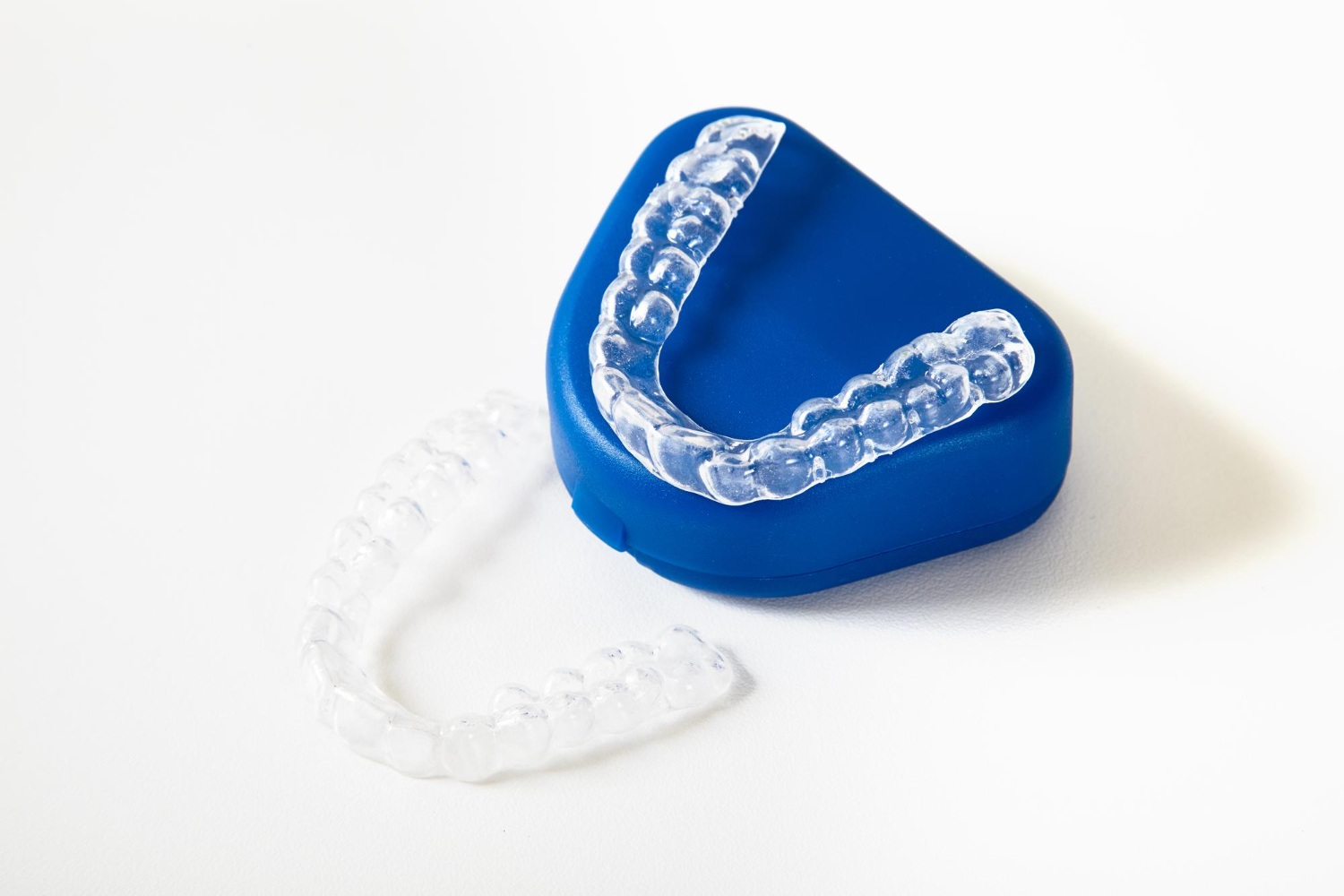
Completing orthodontic treatment is an exciting milestone. After months — or sometimes years — of braces or Invisalign, your teeth are finally straight, your bite feels aligned, and your smile looks great. But there’s one critical phase many people underestimate: retention.
Retainers are not optional accessories. They are a vital part of preserving your results. Without them, teeth can gradually shift back toward their original positions — undoing the time, effort, and investment you made in your orthodontic care.
Let’s explore why retainers matter, how they work, and what you need to know to protect your smile long-term.
Why Teeth Shift After Orthodontic Treatment
Many patients assume that once braces or aligners come off, their teeth are permanently fixed in place. In reality, teeth are supported by ligaments and bone that need time to stabilize after movement.
During orthodontic treatment, controlled pressure reshapes the surrounding bone and moves teeth into new positions. Once treatment ends:
- The bone around the teeth is still remodeling
- Ligaments retain memory of previous tooth positions
- Natural aging can cause gradual shifting
- Daily chewing forces apply subtle pressure
Without support, teeth may begin drifting — sometimes within weeks.
This natural tendency is called orthodontic relapse, and it’s the primary reason retainers are essential.
What Do Retainers Actually Do?
Retainers hold your teeth in their corrected positions while the surrounding bone and tissues fully stabilize. Over time, they help maintain the new alignment as your bite adjusts to its improved position.
Retention is not just about appearance — it also preserves:
- Proper bite alignment
- Even chewing function
- Reduced strain on the jaw joints
- Balanced spacing between teeth
- Long-term oral health stability
Skipping retainers increases the risk of crowding, spacing changes, and bite issues returning.
Types of Retainers
There are two primary categories of retainers, each with its own advantages.
Removable Retainers
These can be taken out for eating and cleaning. Common types include:
- Clear plastic retainers (similar to Invisalign trays)
- Hawley retainers (acrylic base with a thin metal wire across the front)
Removable retainers are easy to clean and allow flexibility, but they must be worn consistently to be effective.
Permanent (Bonded) Retainers
A thin wire is attached to the back of the front teeth, typically on the lower arch. These remain in place continuously and are not visible from the front.
Permanent retainers:
- Provide constant retention
- Require no daily remembering
- Must be cleaned carefully around the wire
Some patients use a combination of both removable and bonded retainers for optimal stability.
How Long Do You Need to Wear Retainers?
One of the most common questions after orthodontic treatment is: “How long do I need to wear my retainer?”
The short answer: Retention is lifelong.
Most orthodontic plans follow this general pattern:
- Full-time wear (20–22 hours per day) for several months after treatment
- Transition to nighttime-only wear
- Continued nighttime wear long-term
Even years after treatment, teeth can still shift. Consistent nighttime wear helps preserve your results indefinitely.
What Happens If You Stop Wearing Your Retainer?
Teeth can begin shifting surprisingly quickly if retainers are not worn as directed. Early changes may be subtle, but over time they can become noticeable.
Possible consequences include:
- Mild crowding of front teeth
- Gaps reopening
- Bite changes
- Need for retreatment
In some cases, minor relapse can be corrected with aligners. In more advanced cases, additional orthodontic treatment may be necessary.
Wearing your retainer consistently is much easier than restarting treatment.
Caring for Your Retainer
Proper care keeps your retainer clean, functional, and long-lasting.
For Removable Retainers
- Clean daily with a soft toothbrush and mild soap
- Avoid hot water (it can warp the plastic)
- Store in a protective case when not in use
- Keep away from pets (they often chew retainers)
For Bonded Retainers
- Brush thoroughly around the wire
- Use floss threaders or water flossers
- Attend regular dental cleanings
Retainers typically need replacement over time due to wear, so routine monitoring is important.
Retainers and Long-Term Oral Health
Retainers don’t just maintain a straight smile — they protect the overall function of your bite.
Stable alignment supports:
- Easier brushing and flossing
- Reduced risk of gum inflammation
- Balanced chewing forces
- Lower risk of jaw strain
- Prevention of uneven enamel wear
Orthodontic treatment is an investment in both aesthetics and health. Retainers safeguard that investment.
Retention Is a Commitment — But It’s Worth It
After completing orthodontic treatment, it can be tempting to feel “done.” However, retention is simply the final stage of the process.
The effort required to wear a retainer — especially at night — is minimal compared to the time spent in braces or aligners. Consistency ensures your smile remains straight, functional, and healthy for decades to come.
Think of retainers as insurance for your smile.
Ready to Protect Your Smile?
If you’ve completed orthodontic treatment or have questions about your retainer, professional guidance can help ensure your smile stays on track.
Contact Behl Orthodontics in Virginia Beach, VA today to schedule your free consultation and learn more about long-term retention and smile maintenance.