
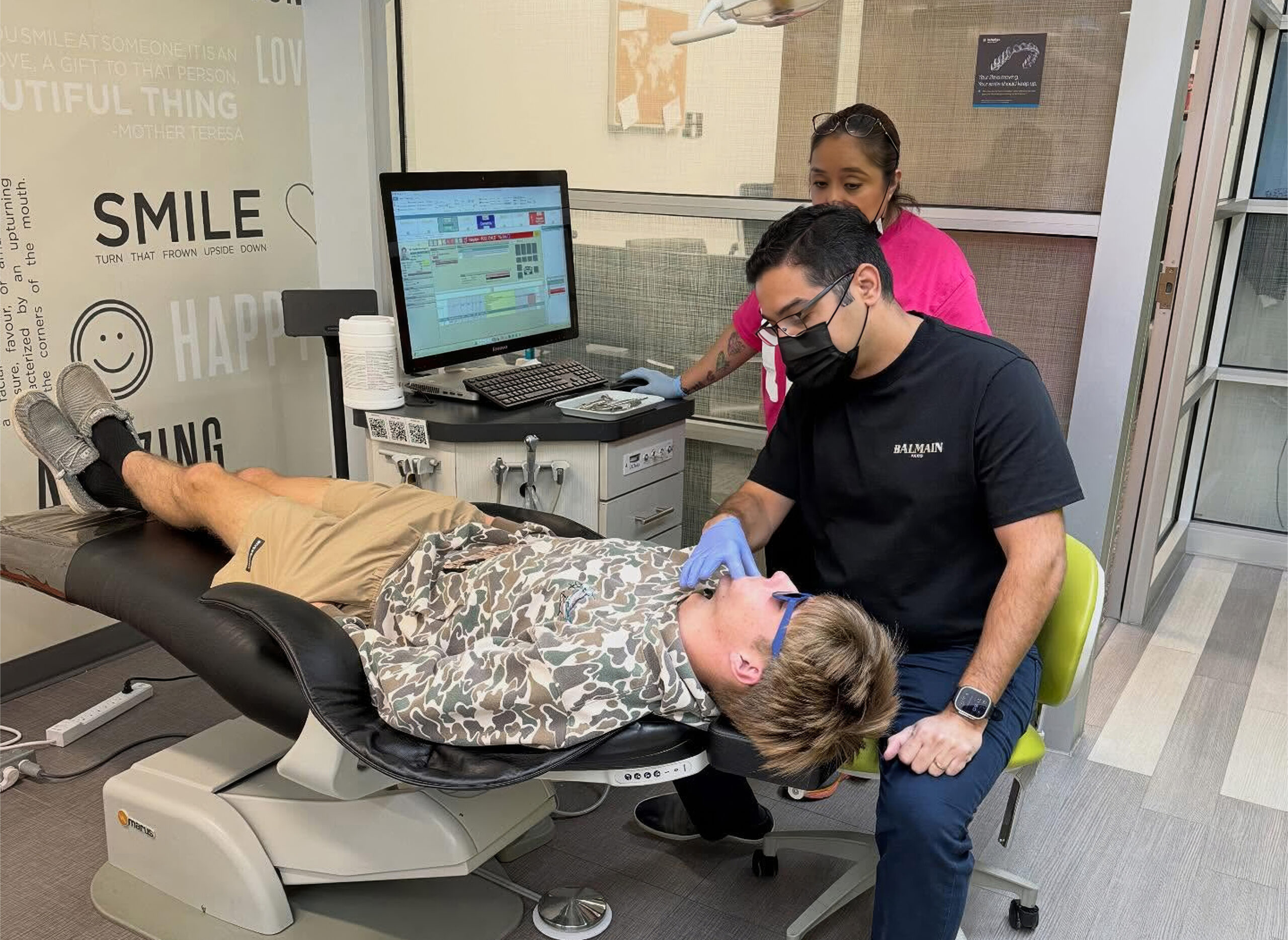
Taking the first step toward a healthier, more confident smile is exciting—but if you’re visiting an orthodontist for the first time, you might not know what to expect. Whether you’re a parent scheduling your child’s visit or an adult exploring treatment for yourself, the initial appointment is all about understanding your needs, evaluating your bite, and creating a personalized plan.
This blog will walk you through the full process so you feel confident and informed before you arrive.
Why Schedule an Orthodontic Consultation?
Orthodontic treatment isn’t just about aesthetics. A properly aligned bite and straight teeth can improve:
- Oral hygiene and ease of cleaning
- Speech development
- Chewing efficiency
- Jaw comfort
- Long-term oral health
Early evaluation—especially for children—is key to identifying issues before they become more complicated. Adults, teens, and children alike benefit from getting clarity on whether treatment is needed, when it should begin, and what type of orthodontics would be most effective.
Getting Ready for Your Visit
There’s no need to prepare extensively, but it helps to know what to bring and expect:
- Dental history — Have your general dentist’s information and any recent X-rays if available
- Insurance info — Bring your dental insurance card and know your coverage
- Questions/concerns — Jot down anything you’d like to ask, whether cosmetic or functional
- Previous treatment details — If you’ve had braces, extractions, or other dental work, share that info
If you’re bringing your child, reassure them the first appointment is just a checkup—no procedures happen at this stage.
What Happens During the First Orthodontic Appointment?
The consultation usually lasts 45–60 minutes and includes a few key steps to help the orthodontic team assess your smile and make recommendations.
1. Warm Welcome & Intake
You’ll check in, complete new patient forms, and meet the team. They’ll ask about your dental and medical history, treatment goals, and any concerns you have about your smile, bite, or jaw.
2. Digital Imaging & Photos
Next, the team will take diagnostic records to evaluate your teeth and jaw. This may include:
- Panoramic X-rays — Show teeth roots, jaw alignment, and unerupted teeth
- Cephalometric X-rays — Provide a side view of your facial structure and bite
- Photographs — Help document your current smile, profile, and facial balance
- Digital impressions — Some offices use 3D scanners instead of traditional molds
3. Clinical Exam
The orthodontist will perform a hands-on exam, looking at:
- Tooth alignment
- Bite relationships (how top and bottom teeth fit together)
- Jaw movement and symmetry
- Gum health and oral hygiene
This thorough check-up is painless and allows for personalized treatment planning based on your needs.
Discussing Treatment Options
Once your orthodontist has all the information, they’ll walk you through:
- Whether treatment is needed
- When treatment should begin
- Which options are available (braces, Invisalign, early interceptive care, etc.)
- Estimated treatment timeline
- Next steps for getting started
They may show you a digital model or simulation of your potential results, especially if Invisalign is being considered.
Every plan is custom—designed to match your age, dental development, lifestyle, and preferences.
Talking Through Braces vs. Invisalign
One of the most common questions at this stage is: “Which option is right for me?”
While both braces and Invisalign can correct alignment, each has advantages based on your case:
- Braces — Often recommended for more complex alignment and bite issues
- Invisalign — Popular among teens and adults who prefer a discreet, removable option
Your orthodontist will explain which option suits your goals and why.
Cost & Financing Discussion
Before ending the appointment, the treatment coordinator will go over:
- Estimated total cost of treatment
- Insurance coverage (if applicable)
- Flexible financing options
- Payment plans or discounts
Many practices offer monthly payments, in-house financing, or third-party financing to make orthodontic care more accessible.
This is a great time to ask about HSA/FSA eligibility, no-interest plans, or any seasonal promotions.
Will You Start Treatment Right Away?
Some patients can begin treatment that day—especially if they’re ready and the plan is clear. This might include taking final records or scheduling your braces or aligner fitting.
For others, especially children not ready for full treatment, the recommendation might be orthodontic monitoring, where growth and development are tracked every 6–12 months.
There’s no pressure—your first appointment is all about understanding your options.
What Happens After the Appointment?
Once your treatment plan is finalized and you’re ready to move forward, your next steps might include:
- Scheduling a fitting for braces or clear aligners
- Getting spacers or expanders if needed before braces
- Beginning Phase 1 treatment for younger children
- Continuing periodic check-ups if active treatment isn’t needed yet
Your orthodontic team will guide you step-by-step.
Tips for a Smooth First Visit
- Arrive early to complete paperwork
- Write down any questions or concerns in advance
- If you’re a parent, bring your child’s dental records if available
- Relax — this is a no-pressure appointment focused on education and planning
Final Thoughts
Your first orthodontic appointment is an important step in your smile journey. With a blend of advanced imaging, clinical evaluation, and personalized discussion, you’ll leave the visit with clarity, confidence, and a custom plan—whether you’re starting treatment now or later.
Ready to Take the First Step Toward a Healthier Smile?
A consultation is the best way to get answers, explore your options, and begin planning for lasting results. There’s no pressure—just expert guidance in a friendly environment.
Contact Behl Orthodontics in Virginia Beach, VA today to schedule your free orthodontic consultation and take the first step toward your best smile.