Orthodontist in Hampton, VA
Smiles In Progress
Caring for the Hampton Community
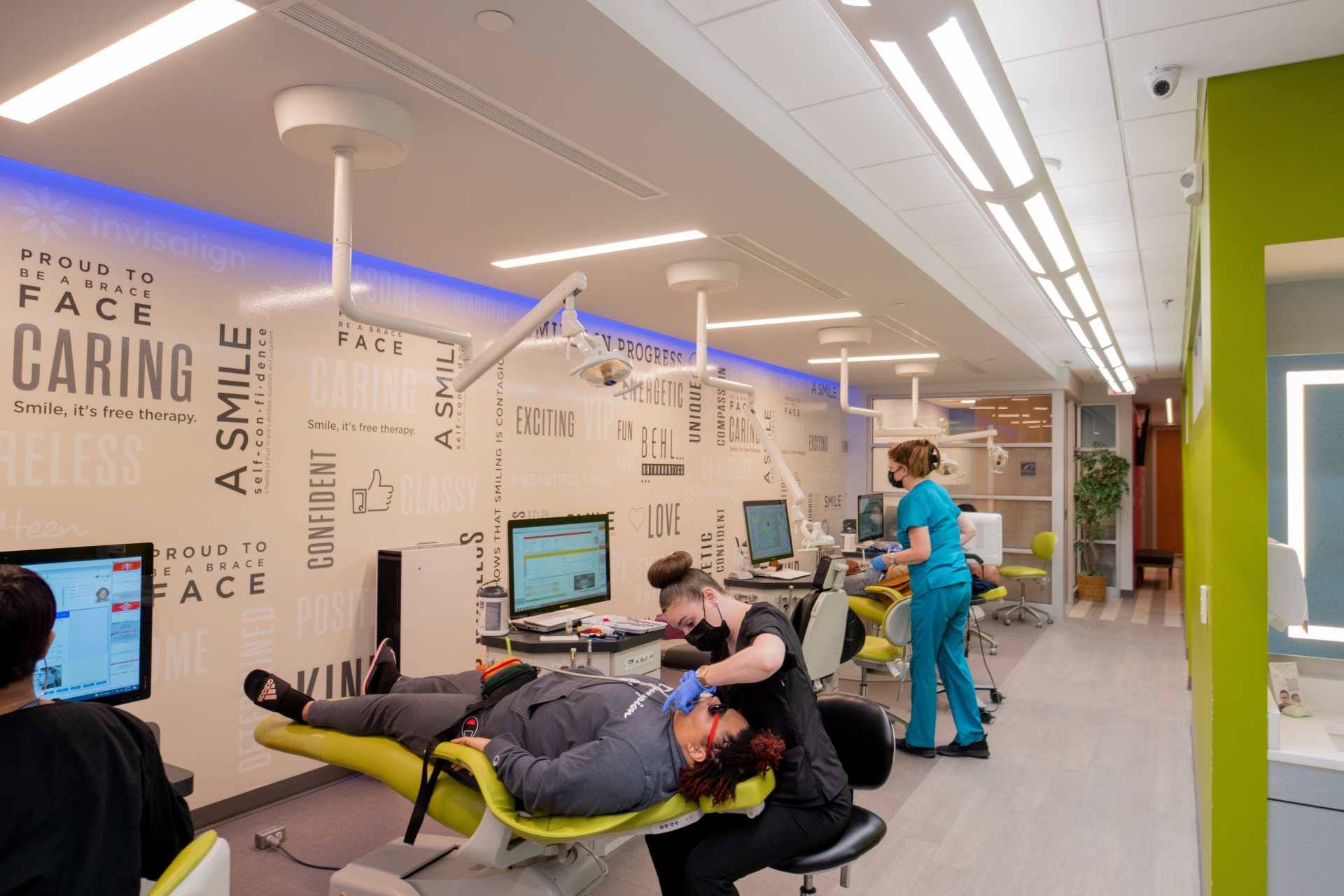
We combine innovation and compassion to ensure every visit is comfortable, efficient, and confidence building.
| Monday | 8:00am – 5:00pm |
| Tuesday | 8:00am – 5:00pm |
| Wednesday | 8:00am – 5:00pm |
| Thursday | 8:00am – 5:00pm |
| Friday | 8:00am – 5:00pm |
Hampton Orthodontist
If you’re searching for a trusted orthodontist in Hampton, VA, Behl Orthodontics is proud to provide advanced, personalized care for patients of all ages. Our practice is committed to creating healthy, confident smiles using modern technology, customized treatment plans, and a patient-first approach.
Conveniently located in Hampton, our office serves children, teens, and adults throughout the community. Whether you’re exploring orthodontic care for your child, considering braces as a teen, or looking into Invisalign as an adult, our team is here to guide you every step of the way. We combine clinical expertise with a welcoming environment to ensure every patient feels comfortable, informed, and confident in their treatment decisions.
Top-Rated Hampton Orthodontics Office
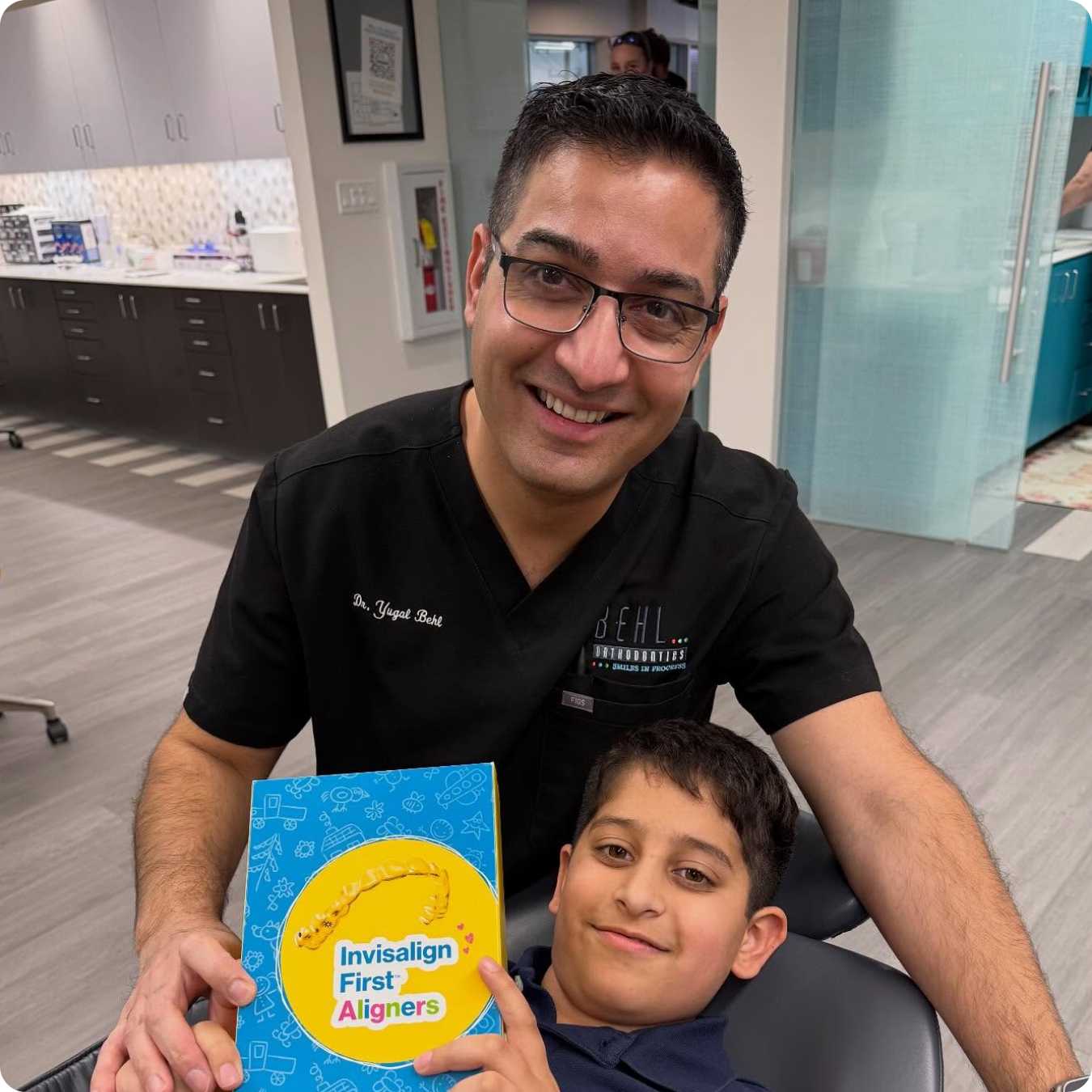
Behl Orthodontics is known for delivering high-quality orthodontic care with a focus on comfort, efficiency, and lasting results. Our reputation is built on personalized attention, advanced technology, and a commitment to excellence in every aspect of treatment.
We understand that choosing an orthodontist in Hampton is an important decision. That’s why we take the time to thoroughly evaluate your smile, explain your options clearly, and design a treatment plan tailored to your goals. From your initial consultation to your final retainer check, our team prioritizes communication, transparency, and exceptional care.
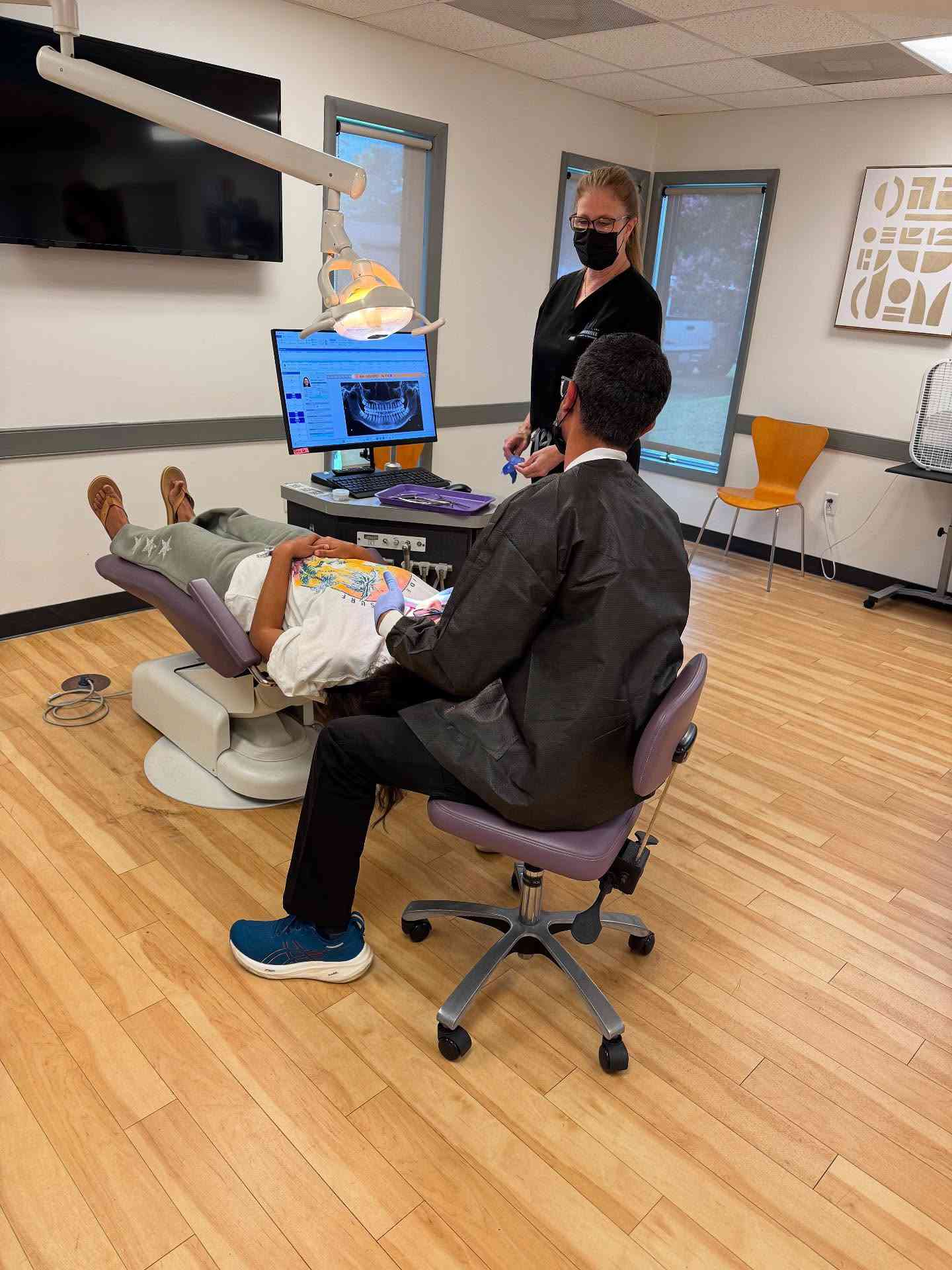
Our office uses leading-edge tools such as digital scanning and 3D imaging to ensure precise diagnoses and efficient treatment planning. By combining innovation with experience, we create predictable results while keeping your comfort in mind.


Orthodontic Services We Offer
At Behl Orthodontics, we offer comprehensive orthodontic services designed to meet the needs of every stage of life. Early orthodontic evaluations allow us to monitor growth and address developing concerns before they become more complex. For teens, we provide customized treatment solutions that fit busy schedules and active lifestyles. Adults can benefit from discreet and flexible options designed to align with professional and personal goals.
Our treatments are designed to correct concerns such as crowding, spacing, overbites, underbites, crossbites, and overall alignment issues. Each treatment plan is built around the individual, ensuring that care is both effective and efficient. By focusing on both aesthetics and function, we help patients achieve smiles that are not only beautiful but also healthy and long-lasting.
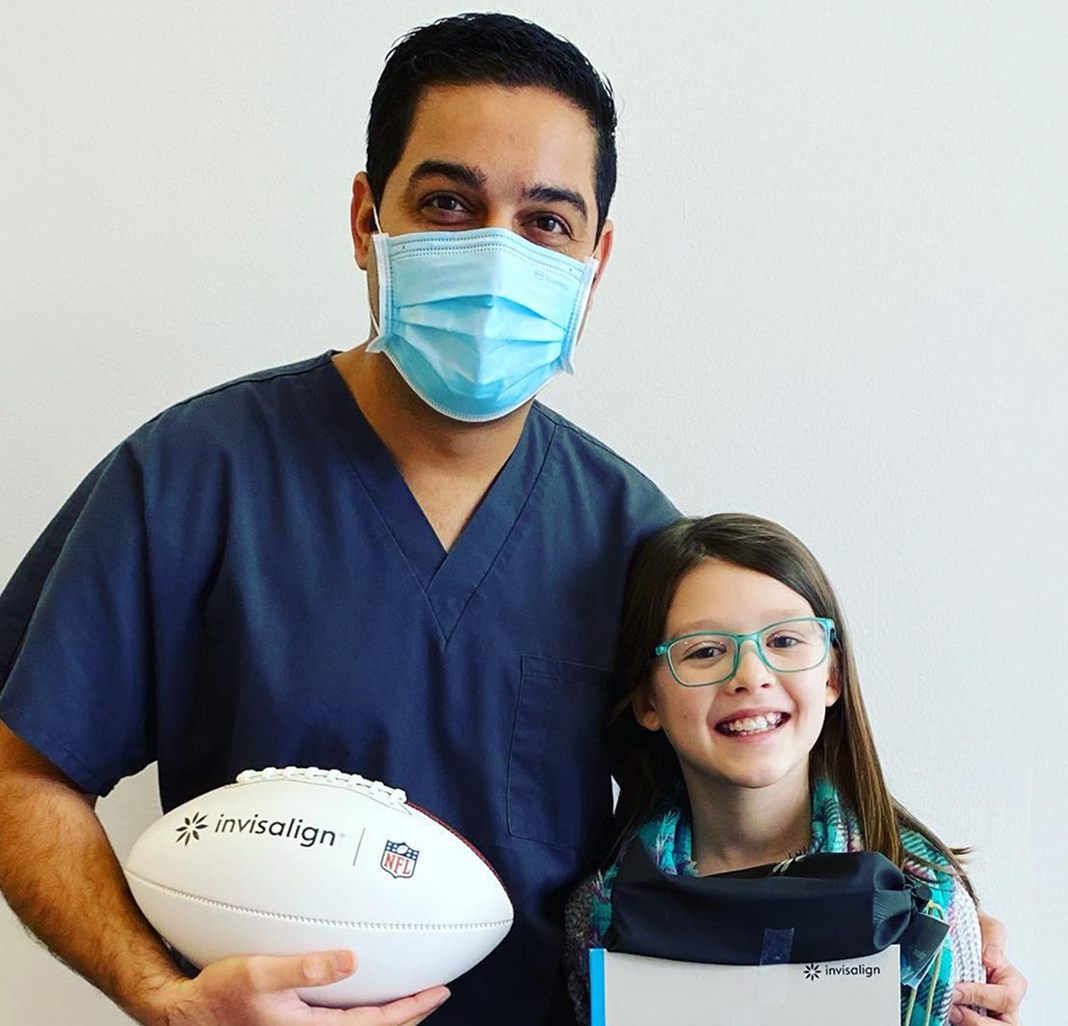



Braces in Hampton, VA
Traditional braces remain one of the most reliable and effective orthodontic treatment options available. At Behl Orthodontics, we offer modern braces designed for comfort, efficiency, and precise tooth movement.
Today’s braces are smaller and more streamlined than ever before, making treatment more comfortable while delivering excellent results. Braces are especially effective for correcting complex alignment and bite concerns, and they remain a trusted choice for children, teens, and adults alike.
For patients who prefer a more subtle appearance, we also offer aesthetic options that blend naturally with your smile while providing the same dependable results as traditional metal braces.
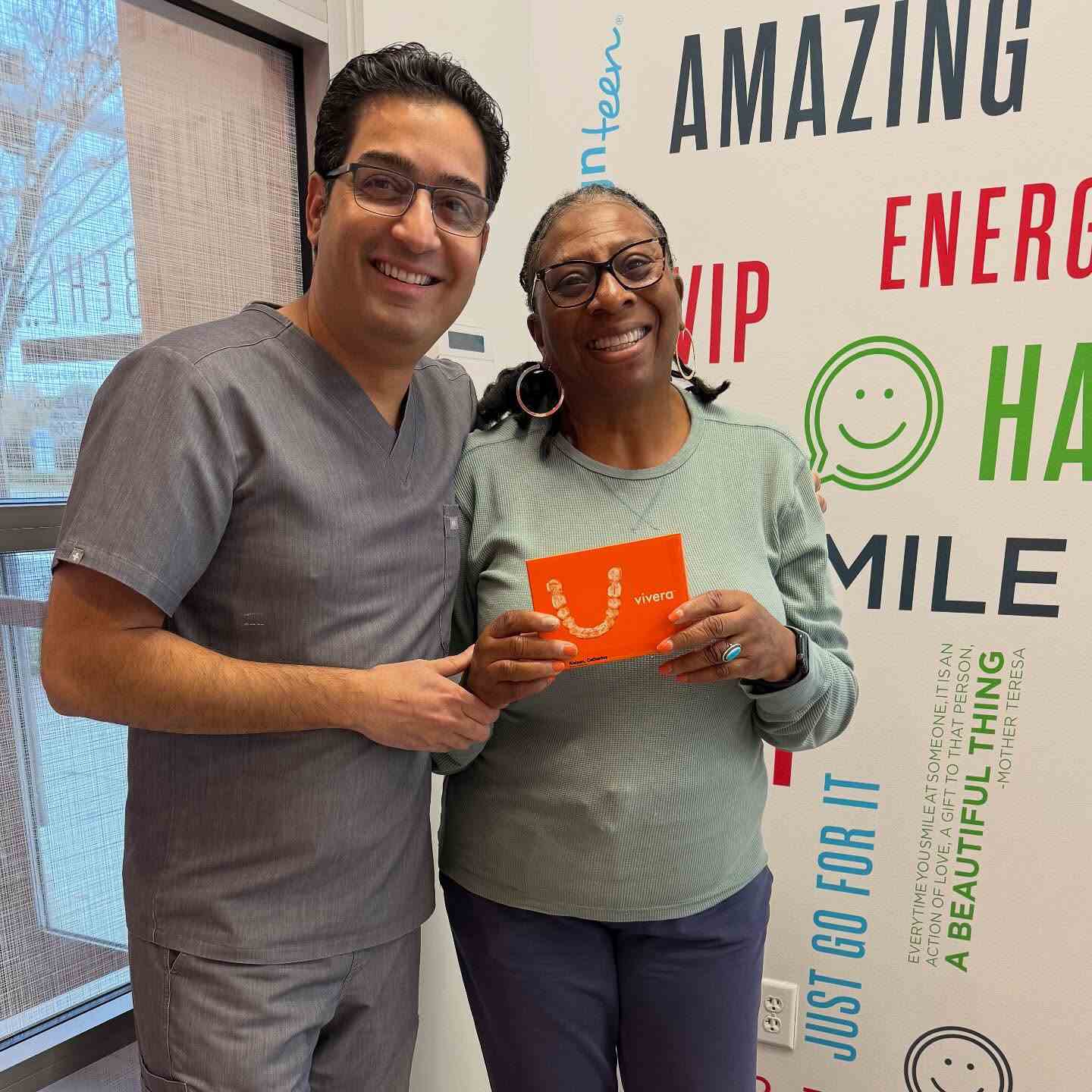



Invisalign in Hampton, VA
For patients seeking a discreet orthodontic solution, Invisalign is a popular and effective option. Behl Orthodontics proudly offers Invisalign treatment for teens and adults looking to straighten their teeth without traditional brackets and wires.
Using advanced digital imaging, we create a customized series of clear aligners designed to gently guide your teeth into alignment. The aligners are removable, making it easy to enjoy your favorite foods and maintain your regular brushing and flossing routine. Because they are virtually invisible, Invisalign allows you to improve your smile with confidence throughout treatment.
Our experience with Invisalign ensures careful planning and consistent monitoring, helping patients achieve predictable, high-quality results while maintaining flexibility in their daily lives.
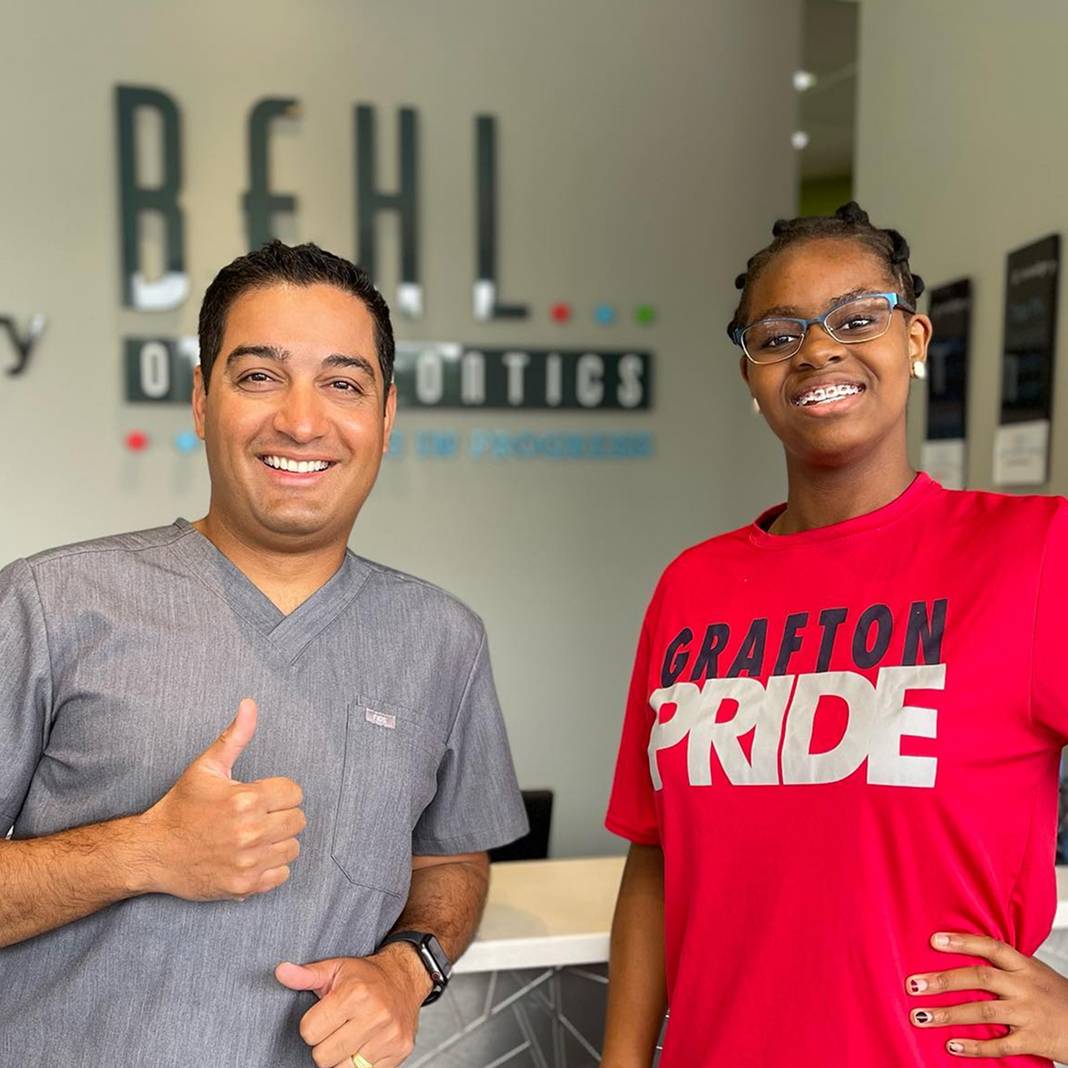



Visit Our Hampton office Today Or Request A free Consultation
Traditional braces remain one of the most reliable and effective orthodontic treatment options available. At Behl Orthodontics, we offer modern braces designed for comfort, efficiency, and precise tooth movement.
Today’s braces are smaller and more streamlined than ever before, making treatment more comfortable while delivering excellent results. Braces are especially effective for correcting complex alignment and bite concerns, and they remain a trusted choice for children, teens, and adults alike.
For patients who prefer a more subtle appearance, we also offer aesthetic options that blend naturally with your smile while providing the same dependable results as traditional metal braces.
Welcome to Behl Orthodontics & Pediatric Dentistry in Hampton, VA
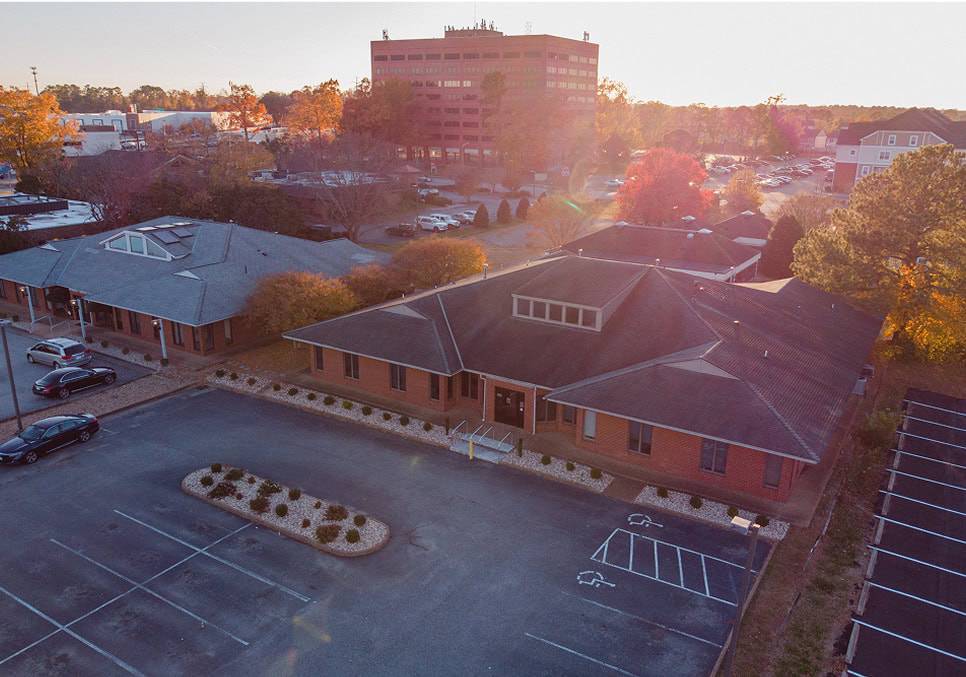
Communities that we serve
Newport News, VA | Poquoson, VA | Fort Monroe, VA | Phoebus, VA | Buckroe Beach, VA | Fox Hill Grandview, VA | Aberdeen Gardens, VA
Looking for care in your neighborhood? We’re proud to serve families across a variety of local communities with the same friendly, expert care you’ll find in our offices. Explore the areas we serve and see how we’re bringing healthy, happy smiles closer to home.